Inflating wheels with gas
Is it worth having your tyres filled with nitrogen at the tyre fitter? Why a nitrogen mix changes nothing except the owner’s peace of mind.

Does it make sense to inflate tyres with a gas mixture?
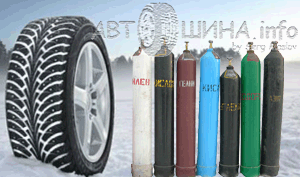
So, the blunt question: does inflating tyres with gas actually do anything for them? At practically any tyre-fitting shop you can be offered gas for your tyres, and the fitters will paint a colourful picture of all the benefits, while motorists who use the service regularly will mostly confirm that the gas definitely improves something. But how do things really stand? What can a gas that is different from ordinary air actually change in a car?
In fact: decidedly nothing, apart from the car owner’s peace of mind. To begin with, it is worth noting that any gas mixture offered at tyre-fitting shops is a nitrogen-based mixture, just like ordinary air. It is just that, judging by the advertising and the claims of these mixtures’ makers, there is a little more nitrogen in it than in air, and correspondingly a little less oxygen. On the whole, the chemical make-up and properties simply cannot differ substantially from air, since ordinary air is already almost 80% nitrogen.
The basis of the marketing strategy behind the miracle cylinders of expensive air for wheels is the enduring wish of the vast majority of motorists to “buy the best for their old girl” as a reward for years of faithful service, and in the hope of trouble-free use. Sadly, the “old girl” genuinely could not care less what is pumped into her wheels: free air or an expensive gas mixture. But let us work through this whole “gas” muddle together and recall a little school-level gas physics. Here are the main marketing moves (myths) used to sell “gas in tyres” to the trusting and suggestible minds of motorists. The whole article on whether inflating wheels with nitrogen does anything
Question and answer
- What does filling tyres with nitrogen achieve?
- There is no point at all in filling tyres with nitrogen. It cannot improve either the way the wheel performs or how long the tyre lasts.
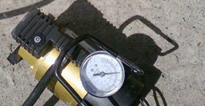 Tyre pressureWhat is the right tyre pressure? What the car maker recommends, where to find the pressure label, and when to adjust it slightly for your roads.
Where is the best place to store wheels?Where is the best place to store wheels: cellar, garage, storage cupboard or a tyre storage facility? What conditions tyres need between seasons.
Tyre storageTyre storage between seasons: why temperature and humidity matter more than position, how to prepare tyres, and whether you need bags.
Tyre pressureWhat is the right tyre pressure? What the car maker recommends, where to find the pressure label, and when to adjust it slightly for your roads.
Where is the best place to store wheels?Where is the best place to store wheels: cellar, garage, storage cupboard or a tyre storage facility? What conditions tyres need between seasons.
Tyre storageTyre storage between seasons: why temperature and humidity matter more than position, how to prepare tyres, and whether you need bags.