When can you use cast alloy wheels?
When you can use cast wheels and when it is better to give them up: their advantages over steel ones and the risks on poor roads.

When is it better not to use cast alloy wheels?
Cast wheels really do suit most motorists and most situations. Their advantages over steel wheels are obvious: they do not rust, they clean up better and look better, they do not need wheel trims that are always getting lost, and, thanks to their lower weight, such wheels improve handling and reduce the load on the suspension.
But you also need to understand that cast wheels are made first and foremost for good roads, so it is better for beginners to steer clear of cast wheels while they have not yet learned to react to potholes and holes in time and correctly, as well as people who prefer aggressive driving over potholed city streets, tram rails sticking up and other “delights” of the road surface found in many Eastern European cities. In any case, you should drive extremely carefully on such surfaces, whatever material your wheels are made from.
Whether to use cast wheels in winter is a decision every motorist has to make individually, based on their own winter driving conditions. Black ice and frozen patches of slush on the road increase the chance of a wheel taking a sideways impact, so if you are not confident in the local road-clearing services or in your own winter driving skills, it is better to avoid driving on cast wheels in winter. On top of that, the de-icing agents used by road services in the winter months can damage the paintwork on cast wheels (this depends a great deal on their maker and quality), so it is entirely possible that after winter such wheels will simply lose their looks and need a fairly expensive cosmetic refurbishment.
In any case, remember that it is safer and more comfortable to drive on a higher-profile tyre in winter, and this applies especially to cast wheels, so for winter it is more sensible to choose the smallest wheel diameter the car maker allows.
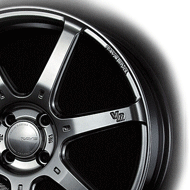 How do you tell forging from casting?How to tell a forged wheel from a cast one: what the markings say, why that rule has exceptions, and why only a laboratory can be sure.
How are alloy wheels madeHow alloy wheels are made: a video that clearly shows the manufacture of forged and cast wheels.
How do you choose wheels?What criteria should you follow first when choosing alloy wheels for a car?
How do you tell forging from casting?How to tell a forged wheel from a cast one: what the markings say, why that rule has exceptions, and why only a laboratory can be sure.
How are alloy wheels madeHow alloy wheels are made: a video that clearly shows the manufacture of forged and cast wheels.
How do you choose wheels?What criteria should you follow first when choosing alloy wheels for a car?