How do cast alloy wheels differ from steel ones?
How do cast alloy wheels differ from steel ones? Weight, price, looks, and a few differences that only show up in everyday use.

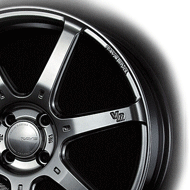
The main differences between cast alloy wheels and steel ones are weight, price and looks - everyone knows that. A cast wheel is, on average, 30-40% lighter than a steel one, which has a significant effect on the car’s handling and reduces the load on the suspension. Cast wheels are also far more attractive and look better on a car, which is the main reason people buy them. But you have to pay for every pleasure, so, naturally, a cast wheel can cost several times more than its steel equivalent.
But there are a few more fundamental differences that emerge in use, and that every motorist who has decided to buy such wheels ought to know about.
The thing is, after casting, wheels go through a heat-treatment process, which gives them certain additional properties, in particular hardness and brittleness. That’s right - cast wheels are brittle: under a heavy impact they bend less readily than steel ones and crack and shatter more often.
The whole article on how to choose cast alloy wheels correctly
Question and answer
- What are the pros and cons of cast alloy wheels?
- Cast alloy wheels are better-looking, lighter and stronger than steel ones, and cheaper than forged ones. Compared with forged wheels, cast ones are usually inferior in everything except price.
 How do you tell forging from casting?How to tell a forged wheel from a cast one: what the markings say, why that rule has exceptions, and why only a laboratory can be sure.
How are alloy wheels madeHow alloy wheels are made: a video that clearly shows the manufacture of forged and cast wheels.
How do you choose wheels?What criteria should you follow first when choosing alloy wheels for a car?
Forged wheels: a privilege of the rich?What are forged wheels, how do they differ from cast ones, and what are the advantages of forging?
How do you tell forging from casting?How to tell a forged wheel from a cast one: what the markings say, why that rule has exceptions, and why only a laboratory can be sure.
How are alloy wheels madeHow alloy wheels are made: a video that clearly shows the manufacture of forged and cast wheels.
How do you choose wheels?What criteria should you follow first when choosing alloy wheels for a car?
Forged wheels: a privilege of the rich?What are forged wheels, how do they differ from cast ones, and what are the advantages of forging?